PHONE: 435-656-3802

Counseling

Michelle Pollock

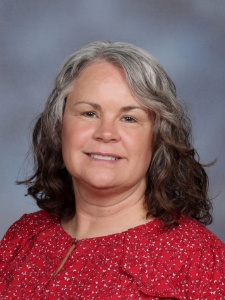
Michelle Pollock | Counselor

Helpful links


Counseling Permission Slips


Services Offered at our school

Resources

Navigating family needs can be challenging, but help is always available. I work directly with families to connect them with community resources. Please explore the guide below, or reach out to me anytime for assistance with school supplies, food boxes, clothing vouchers, and additional support.


District Resources:

Food Resources:

Housing:

Medical / Mental Health Resources:

Individual Counseling

Individual counseling offers short-term, solution-focused support for students navigating personal concerns, crises, or simply needing a quiet space to talk. Sessions typically run for 15 minutes, meeting 6 to 8 times total. These services are provided with parent permission to ensure students feel fully supported both at home and at school.

  • Students often drop in for a quick visit to work through everyday school situations, such as peer conflicts on the playground, in the hallway, or during lunch. These brief, informal check-ins do not require prior parent permission, but I always encourage students to share our conversation with their parents or guardians when they get home.

  • To keep our focus on emotional wellness and academic success, counseling sessions are non-disciplinary; any situations requiring administrative consequences are handled by the principal or vice principal. Should a student need ongoing support, I will partner with parents to discuss next steps. For more intensive behavioral or family needs, I can connect your family with outside community resources, including the WCSD’s Mental Health Assistance Program (MHAP).
Group Counseling

Small group counseling provides a supportive environment for students to build strong social skills and navigate life transitions alongside their peers. These focused sessions cover topics such as friendship, empathy, anger management, and coping strategies for challenges like grief or family changes. Parent permission is required before any student joins a small group.

  • Throughout the year, K–5 students may be invited to participate in small group counseling designed to support their emotional growth and well-being. These groups offer a safe space for children to practice emotional regulation, strengthen resilience and self-esteem, build positive peer relationships, and navigate common life challenges like relational aggression, grief, or family transitions.

  • Because student needs change year to year, our group topics adapt accordingly, and written parent permission is always required before a child joins. To ensure group work remains a safe space for sharing and problem-solving, we teach students a simple approach to confidentiality: they are always welcome to share the session topic and their own comments with their families, but they must keep their peers’ personal stories private. Protecting group trust is essential, and students who break confidentiality may be asked to step away from the group.
Classroom Lessons

Every week, students participate in dedicated social-emotional guidance lessons focused on building strong character and practical life skills. These sessions empower students to achieve both academic and personal success by covering core topics such as The Leader in Me, 7 Habits of Happy Kids, growth mindset, resilience, empathy, problem-solving, and college and career readiness.


While classroom guidance lessons are available to all students, small group counseling and individual counseling are implemented based on parent and teacher referrals.  I will contact the parents when a student may be a candidate for small group counseling.  If you would like to refer your student for individual counseling please contact the school.
 
 
Please Note:  Students can request to visit with a school counselor at anytime.  A school counselor may only pull a student from class and meet with them one time without a signed permission slip (except in circumstances when safety may be a concern, i.e., when a child is being hurt, or they are harming themselves or someone else).